

The Complete Creation Process
Lab grown diamonds have become one of the most discussed innovations in the jewelry industry. As consumers learn more about these stones, many naturally ask: how are lab grown diamonds made? While they are created in controlled environments rather than mined from the earth, lab-grown diamonds are real diamonds with the same chemical, physical and optical properties as natural diamonds.
Modern technology allows scientists to recreate the conditions necessary for diamond formation using advanced manufacturing methods. In this guide, we’ll explore the complete lab grown diamond process, explain how lab grown diamonds are created and examine the science behind these remarkable gemstones.
What Is a Lab Grown Diamond?
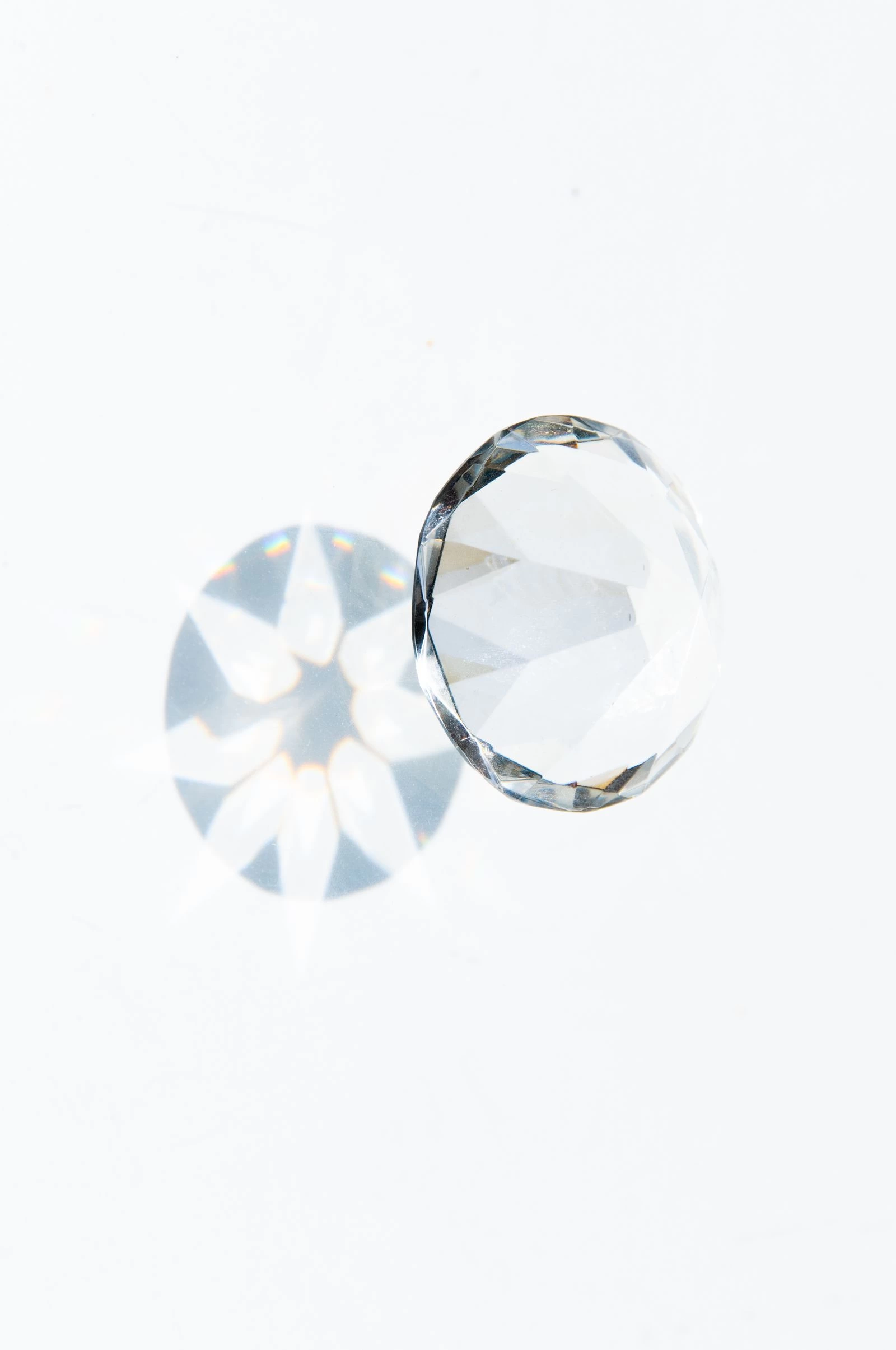
A lab-grown diamond is a genuine diamond created using advanced technology that replicates the conditions required for natural diamond growth. Unlike imitation stones, lab-grown diamonds possess the same characteristics as diamonds formed beneath the Earth’s surface. For a broader introduction to the category, see our guide to what are lab-grown diamonds.
Lab Grown Diamonds vs Diamond Simulants
Lab-grown diamonds are often confused with diamond simulants, but they are fundamentally different.
- Lab diamonds are genuine diamonds composed of crystalline carbon.
- Cubic zirconia is a synthetic material designed to resemble a diamond.
- Moissanite is a gemstone with its own unique composition and optical properties.
The key material difference is that only lab-grown and natural diamonds share the same carbon crystal structure.
Why Lab Grown Diamonds Are Considered Real Diamonds
Lab-grown diamonds qualify as real diamonds because they possess:
- The same carbon crystal structure
- Identical hardness and durability
- Comparable brilliance and fire
- Industry-recognized certification and grading standards
We look at this question in more detail in our guide on whether are lab diamonds real diamonds.
What Materials Are Used to Make Lab Grown Diamonds?
Many consumers ask, what is a lab grown diamond made of? The answer is surprisingly simple: carbon.
The Role of Carbon in Diamond Formation
Diamonds consist entirely of carbon atoms arranged in a highly organized crystal structure. Whether grown naturally or in a laboratory, this composition remains the same.
What Is a Diamond Seed?
A diamond seed is a small piece of existing diamond used as the foundation for crystal growth. New carbon atoms attach to the seed and gradually build a larger diamond.
How Carbon Atoms Become a Diamond Crystal
Under carefully controlled conditions, carbon atoms bond together and form the crystal structure that gives diamonds their hardness, brilliance and durability.
Explore Our Luxury Lab-Grown Diamond Collection
How Are Lab Grown Diamonds Made? A Step-by-Step Overview
Although the technologies vary, the basic production process follows similar stages.
Preparing the Diamond Seed
Technicians select and prepare a diamond seed that will serve as the foundation for crystal growth.
Creating the Conditions for Diamond Growth
Specialized equipment creates the heat, pressure, or atmospheric conditions needed for diamond formation.
Growing the Diamond Crystal
Carbon atoms accumulate on the seed and gradually form a larger diamond crystal.
Transforming Rough Diamond Into a Finished Gemstone
After growth, the rough diamond undergoes cutting, polishing, grading and certification before being incorporated into jewelry.
How the HPHT Diamond Growth Process Works
What Does HPHT Stand For?
HPHT stands for High Pressure High Temperature.
How High Pressure and High Temperature Grow Diamonds
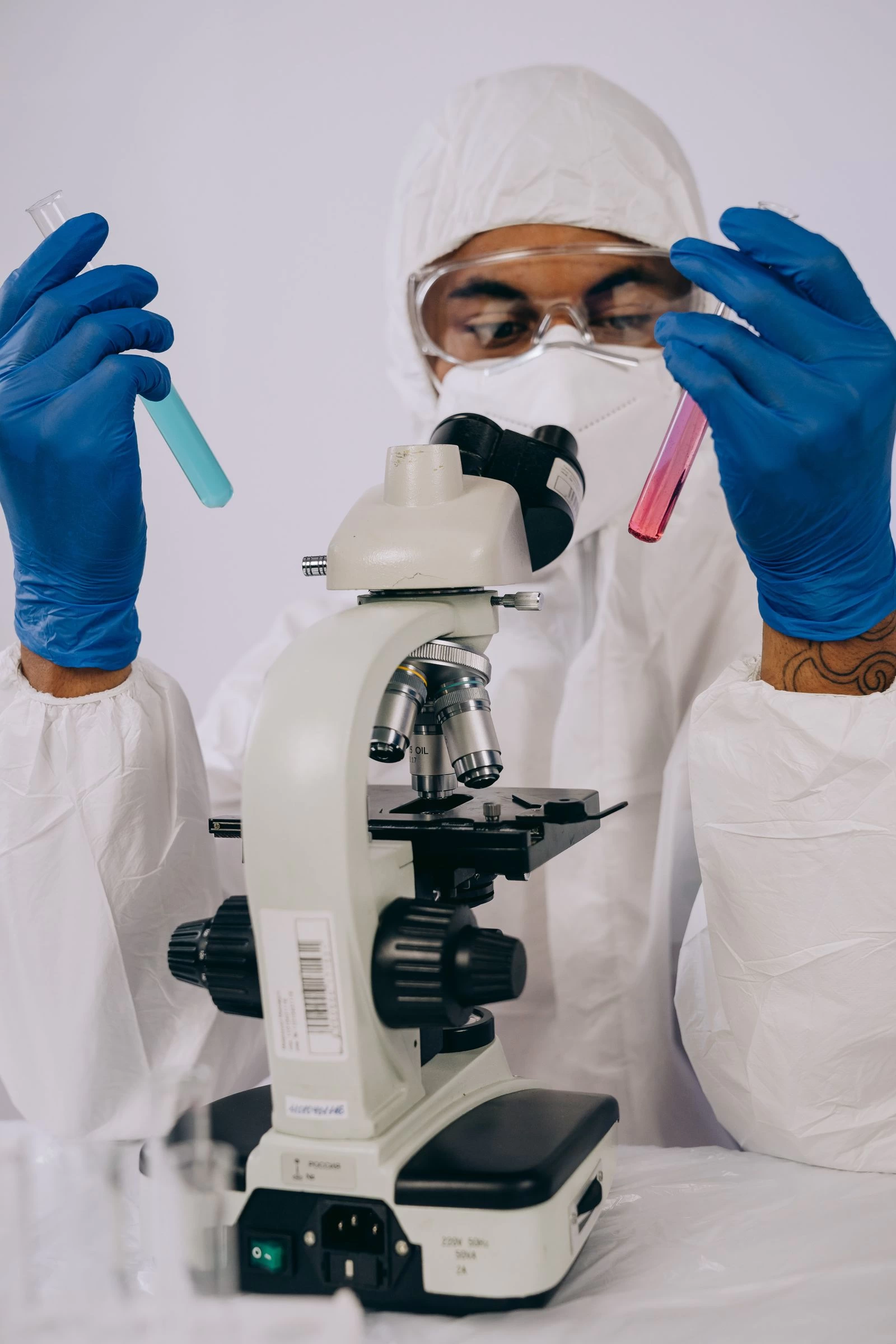
This method recreates the extreme geological conditions found deep within the Earth where natural diamonds form. Carbon is subjected to intense pressure and heat, allowing diamond crystals to grow around a seed.
Equipment Used in HPHT Diamond Production
HPHT systems use specialized presses capable of generating enormous pressure and temperatures exceeding 1,300°C.
How Long Does the HPHT Process Take?
Depending on the desired size and quality, the process may take several weeks.
Advantages and Challenges of HPHT Diamonds
Advantages include efficient growth and production of high-quality diamonds. Challenges include complex equipment requirements and precise environmental control.
How the CVD Diamond Growth Process Works
What Does CVD Stand For?
CVD stands for Chemical Vapor Deposition.
How Methane Gas Is Used to Grow Diamonds
The process begins by placing a diamond seed inside a vacuum chamber. Methane-rich gas is introduced and activated, causing carbon atoms to separate and attach to the seed.
Building a Diamond Layer by Layer
Carbon accumulates gradually, creating a diamond crystal one layer at a time.
How Long Does the CVD Process Take?
Growth typically takes several weeks, depending on the desired diamond size and quality.
Advantages and Challenges of CVD Diamonds
CVD technology allows excellent control over crystal growth, although the process requires sophisticated equipment and monitoring.
HPHT vs CVD Diamonds: What Are the Differences?
Comparison Table: HPHT vs CVD Diamond Manufacturing
| Factor | HPHT | CVD |
|---|---|---|
| Growth method | High pressure and heat | Vapor deposition |
| Carbon source | Carbon material | Methane gas |
| Pressure requirements | Extremely high | Low pressure |
| Temperature requirements | Very high | High |
| Growth environment | Pressurized chamber | Vacuum chamber |
| Production timeline | Several weeks | Several weeks |
| Typical diamond characteristics | Often colorless or near-colorless | Highly controllable |
| Common post-growth treatments | Possible | Possible |
| Industry applications | Jewelry and industrial uses | Jewelry and industrial uses |
| Advantages and limitations | Fast growth, complex equipment | Precise control, advanced technology |
Does the Growth Method Affect Diamond Quality?
Both methods can produce exceptional diamonds. Quality depends more on growth conditions, cutting and grading than on the production method itself.
Which Manufacturing Process Is More Common Today?
Both HPHT and CVD remain widely used, although CVD has become increasingly popular for jewelry applications.
How Long Does It Take to Grow a Lab Grown Diamond?
Factors That Influence Diamond Growth Speed
Growth time depends on crystal size, production method and quality objectives.
How Diamond Size Affects Production Time
Larger diamonds generally require longer growth periods because more carbon must be deposited.
From Diamond Seed to Finished Jewelry
After growth, additional weeks may be required for cutting, polishing, certification and jewelry manufacturing.
What Happens After a Lab Grown Diamond Is Created?
Evaluating the Rough Diamond Crystal
Experts examine the crystal for quality, clarity and growth characteristics.
Diamond Cutting and Faceting
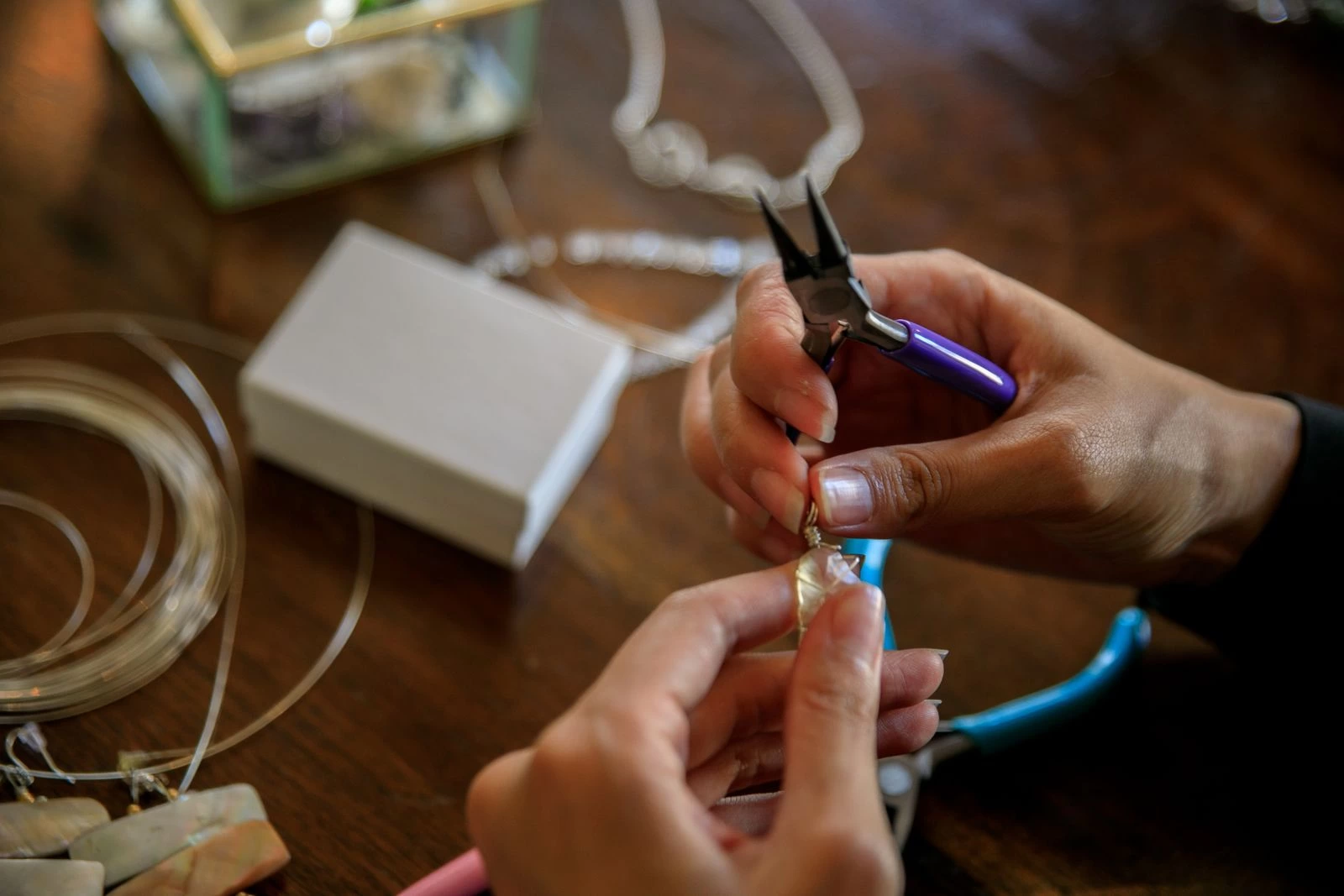
Highly skilled cutters shape the rough diamond to maximize beauty and light performance.
Polishing for Maximum Brilliance
Polishing creates the smooth surfaces necessary for optimal sparkle and brilliance.
Final Grading and Certification
Independent laboratories evaluate the finished diamond according to established grading standards.
Do Lab Grown Diamonds Receive Post-Growth Treatments?
Why Post-Growth Treatments May Be Necessary
Certain treatments may enhance color or improve appearance.
HPHT Treatment for Color Improvement
Some diamonds undergo additional HPHT processing to optimize color characteristics.
Other Diamond Enhancement Processes
Additional treatments may address specific visual characteristics depending on the stone.
How Treatments Are Reflected in Certification Reports
Reputable grading reports disclose relevant treatments and enhancements.
How Quality Is Controlled During Lab Diamond Production
Monitoring Crystal Growth Conditions
Manufacturers carefully control temperature, pressure and environmental stability throughout production.
Managing Color and Clarity Characteristics
Growth conditions influence the final appearance and quality of the diamond.
Identifying Growth Features and Inclusions
Specialized equipment helps identify internal features and quality characteristics.
Quality Assurance Standards in Diamond Manufacturing
Multiple inspection stages help ensure consistency and quality throughout production.
Can Experts Tell the Difference Between Lab Grown and Natural Diamonds?
Why Visual Inspection Is Not Enough
Lab-grown and natural diamonds typically appear identical to the naked eye.
How Gemological Laboratories Identify Lab Grown Diamonds
Laboratories use advanced instruments to identify growth patterns and microscopic characteristics.
The Role of Diamond Certification Reports
Certification reports provide important information regarding origin, quality and grading. Our guide to the difference between lab-grown and natural diamonds explains what those reports mean in practice.
Find Your Perfect Lab-Grown Diamond Jewelry Piece
Common Myths About How Lab Grown Diamonds Are Made
Are Lab Grown Diamonds Fake Diamonds?
No. Lab-grown diamonds are genuine diamonds.
Are Lab Diamonds Made From Plastic or Glass?
No. They consist of crystalline carbon, just like natural diamonds.
Are Lab Grown Diamonds Manufactured Overnight?
No. Growing a quality diamond typically requires weeks of production and processing.
Do Lab Grown Diamonds Look Different From Natural Diamonds?
In most cases, visual differences cannot be detected without specialized equipment.
Are Lab Grown Diamonds Lower Quality Than Natural Diamonds?
No. Both can achieve excellent quality grades depending on their characteristics.
What the Lab Diamond Creation Process Means for Buyers
How Manufacturing Impacts Diamond Quality
Controlled growth environments help manufacturers produce consistent results and high-quality diamonds.
Understanding Diamond Certifications When Shopping
Always review certification reports to understand a diamond’s quality characteristics.
Questions to Ask Before Buying a Lab Grown Diamond
Consider certification, cut quality, metal selection, warranty coverage and return policies.
Choosing Between Lab Grown and Natural Diamonds
The right choice depends on personal preferences, budget and priorities rather than production method alone. Whichever you choose, our lab-grown diamond jewelry collections are designed around certified stones and considered craftsmanship.
Frequently Asked Questions About How Lab Grown Diamonds Are Made
How are lab grown diamonds made step by step?
Lab-grown diamonds are created by growing carbon crystals on a diamond seed under carefully controlled conditions, followed by cutting, polishing and certification.
What materials are used to make lab grown diamonds?
The primary material is carbon, along with a diamond seed used to initiate crystal growth.
What is the difference between HPHT and CVD diamonds?
HPHT uses high pressure and temperature, while CVD grows diamonds from carbon-rich gas inside a vacuum chamber.
How long does it take to grow a lab grown diamond?
Most lab-grown diamonds require several weeks to grow, depending on size and quality goals.
Do lab grown diamonds receive treatments after growth?
Some diamonds may undergo treatments to enhance color or appearance, which are typically disclosed in grading reports.
Where can I buy lab-grown diamond jewelry?
Consumers can purchase certified lab-grown diamonds from trusted jewelry retailers that provide quality craftsmanship, transparent grading information and expert guidance. At HVJ Diamonds you can browse diamond necklaces, lab-grown diamond earrings and luxury diamond rings.