

A Complete Buying Guide
Choosing a lab-grown diamond necklace means balancing diamond quality, style, metal, setting, certification, carat weight and budget. The best piece depends on your personal taste, how often you plan to wear it and whether it is for yourself or a gift. This lab grown diamond necklace buying guide explains the main factors to compare before purchasing, so you can choose a necklace that feels refined, comfortable and appropriate for the occasion.
What to Consider Before Buying a Lab-Grown Diamond Necklace
Before comparing individual designs, decide how the necklace will be worn, what style you prefer and what budget feels comfortable.
Everyday Wear vs. Special Occasions
For daily wear, simple pendants and lighter settings are practical. Larger stones, halos and detailed designs suit celebrations and evening wear.
Setting a Budget
Set your budget first. Lab-grown stones often allow more carat weight or higher grades for the same spend.
Choosing the Right Necklace Style
Consider solitaire, pendant, bezel, tennis, or halo designs. Laboratory grown diamond necklaces can help you compare these styles directly.
Choose the Right Lab-Grown Diamond for Your Necklace
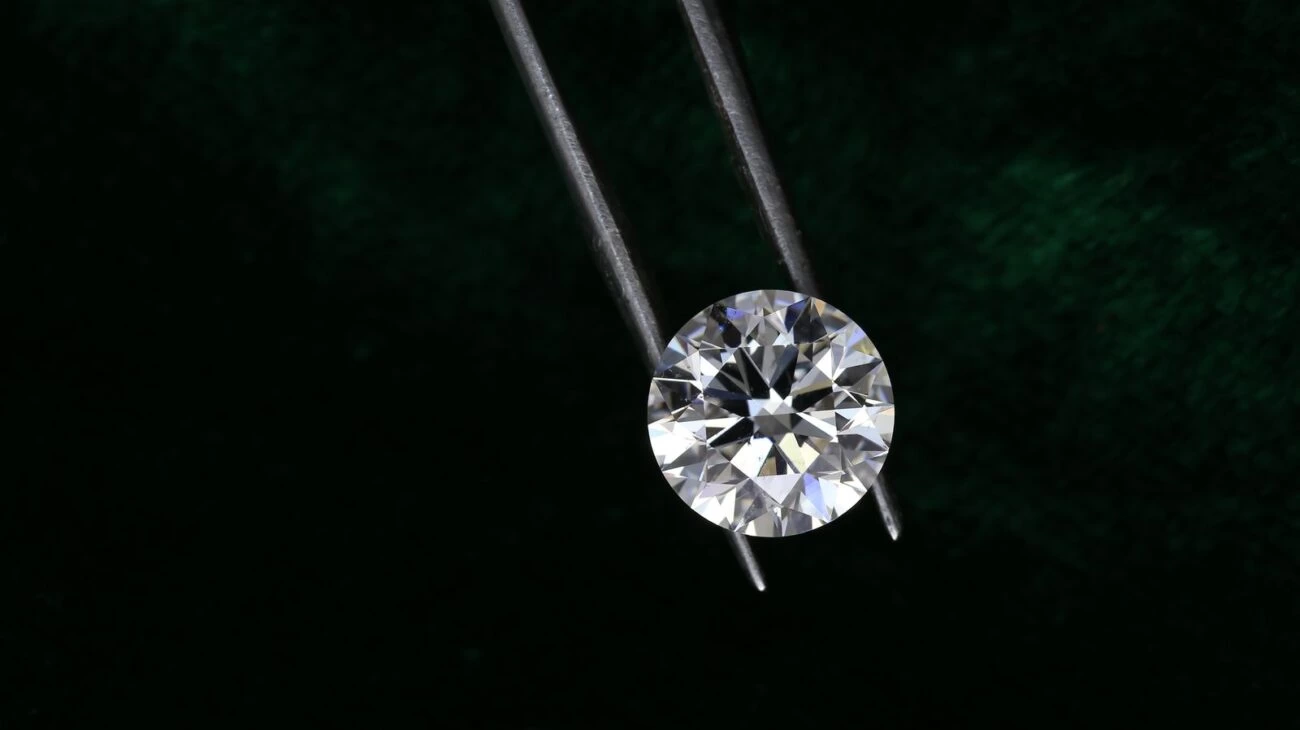
The diamond itself affects brilliance, visual size and price, so understanding the 4Cs is essential.
Diamond Cut
Cut influences light return and sparkle. A well-cut diamond usually looks brighter and more balanced.
Diamond Color
Near-colorless grades often provide a strong balance between appearance and price.
Diamond Clarity
Choose an eye-clean clarity grade rather than paying extra for microscopic differences you cannot easily see.
Diamond Carat Weight
Carat measures weight, while shape, proportions and setting influence visible size.
Find Your Perfect Lab-Grown Diamond Necklace
How Diamond Shape Changes the Look of a Necklace
Shape changes the necklace’s personality, proportions and perceived size.
Round Lab-Grown Diamonds
Round diamonds offer classic symmetry and strong sparkle.
Oval Lab-Grown Diamonds
Oval diamonds create an elongated look and often appear larger face-up.
Pear-Shaped Lab-Grown Diamonds
Pear shapes add graceful length and a distinctive teardrop silhouette.
Emerald-Cut Lab-Grown Diamonds
Emerald cuts offer clean lines and an understated, refined appearance.
Other Popular Diamond Shapes
Heart, radiant, cushion, marquise and Asscher shapes provide more individual options. Diamond shapes offer a broader comparison.
Select the Right Necklace Style and Setting
Lab-Grown Diamond Solitaire Necklaces
A solitaire keeps attention on one center diamond and suits both casual and formal wear.
Lab-Grown Diamond Pendant Necklaces
Pendants offer more design variety. The Heart Shape Halo Lab-Grown Diamond Pendant creates a romantic focal point.
Diamond Tennis Necklaces
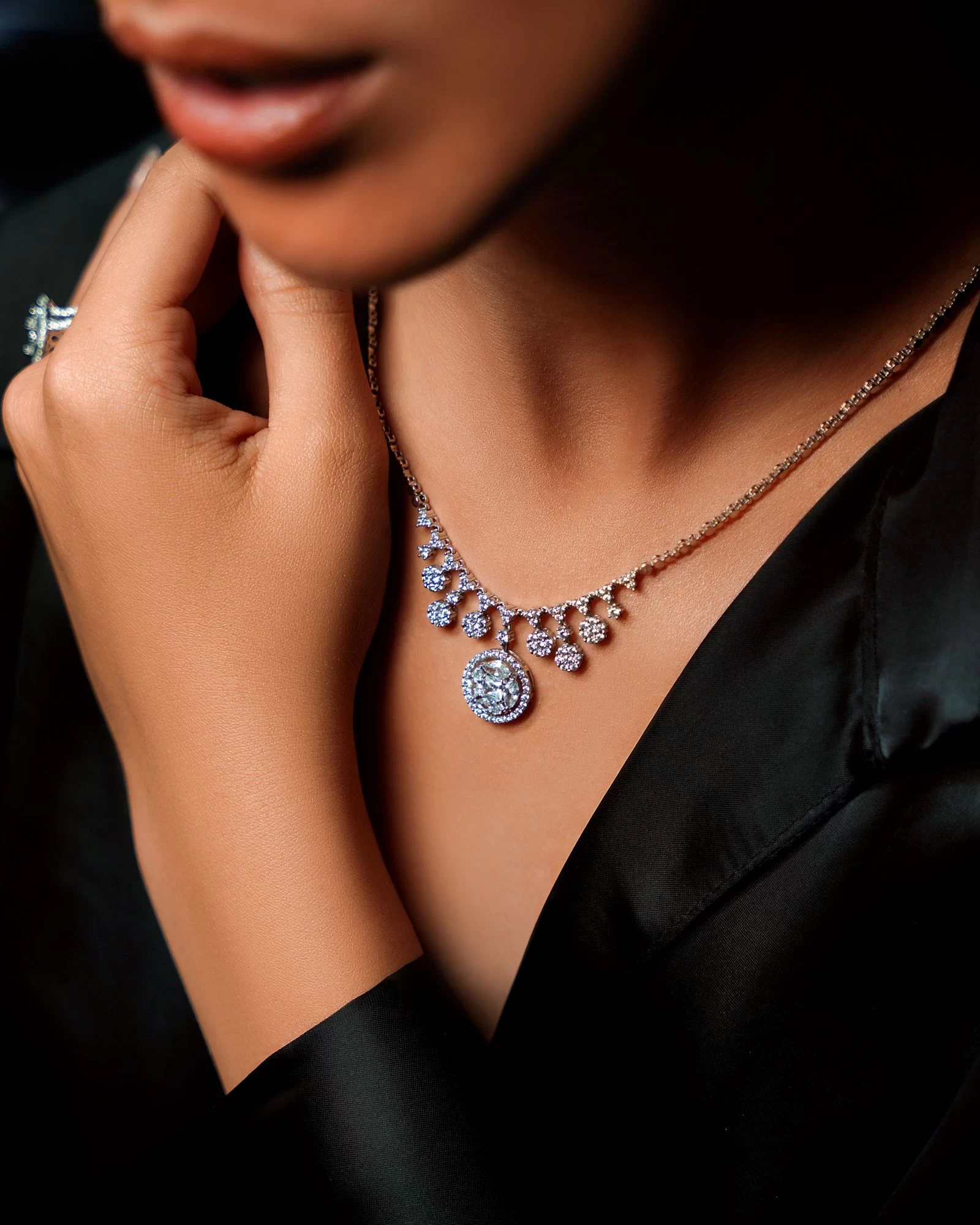
Tennis necklaces provide continuous brilliance and a stronger fine jewelry presence.
Halo and Cluster Designs
Halo and cluster settings increase visual impact by surrounding or grouping stones.
Prong vs. Bezel Settings
Prongs expose more diamond to light, while bezels provide added protection. The Bezel Lab-Grown Diamond Chain Necklace shows the cleaner bezel look.
Choose the Best Metal for a Lab-Grown Diamond Necklace
14K and 18K Gold
14K gold is durable for frequent wear, while 18K gold has higher gold content and a richer finish.
White Gold
White gold creates a bright, contemporary look.
Yellow Gold
Yellow gold adds warmth and traditional character.
Rose Gold
Rose gold gives the necklace a softer, romantic tone.
Platinum
Platinum is naturally white, durable and suited to premium jewelry.
What Diamond Size Is Best for a Necklace?
Smaller Diamonds for Everyday Wear
Smaller stones are discreet, comfortable and easy to layer.
Larger Diamonds for Statement Necklaces
Larger diamonds create stronger visual impact and suit focal-point designs.
How Diamond Shape Affects Perceived Size
Oval, pear and marquise shapes can appear larger than round diamonds at the same carat weight.
Check the Lab-Grown Diamond Certification
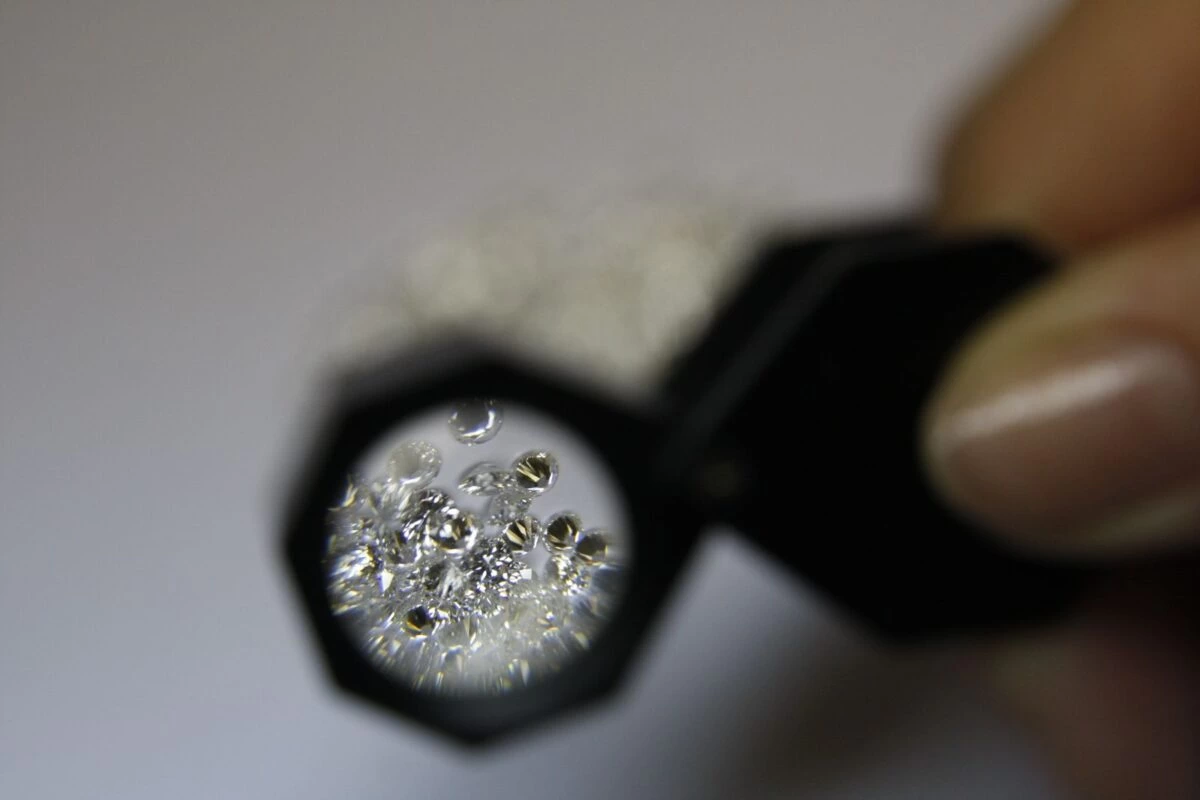
Certification helps buyers compare diamonds using independently recorded specifications.
What Information Does a Diamond Certificate Include?
Reports usually list carat weight, color, clarity, measurements and identifying details.
How to Verify a Diamond Grading Report
Check the report number and match its specifications to the diamond being sold.
Why Certification Matters When Comparing Diamonds
Certification supports clearer comparisons and confirms the qualities you are paying for.
How to Choose a Lab-Grown Diamond Necklace for a Gift
Choosing a Necklace for a Birthday
Choose a versatile design that matches the recipient’s usual jewelry style and metal preference.
Choosing a Necklace for an Anniversary
Heart shapes, halos, or distinctive pendants can add symbolic meaning.
Choosing a Necklace for an Engagement or Wedding
For wedding-related gifts, consider pieces that coordinate with lab-grown diamond earrings or luxury rings.
Personalized and Meaningful Designs
Distinctive shapes can make a gift feel more personal. The Elongated Drop Lab-Grown Diamond Necklace offers a more expressive silhouette.
How to Compare Lab-Grown Diamond Necklaces Before Buying
Compare Diamond Specifications
Review cut, color, clarity, carat weight and shape rather than price alone.
Check Metal Purity and Necklace Construction
Confirm metal type, chain quality, clasp construction and setting security.
Review Certification and Product Information
Read grading details carefully. New buyers may also want to learn what are lab-grown diamonds, are lab diamonds real diamonds and the difference between lab-grown and natural diamonds.
Compare Warranty and Return Policies
Review returns, warranty coverage, shipping and customer support before ordering.
Find a Lab-Grown Diamond Necklace Made for You
Frequently Asked Questions About Choosing a Lab-Grown Diamond Necklace
What should I look for when buying a lab-grown diamond necklace?
Compare diamond quality, certification, setting, metal, chain construction, style and policies.
What is the best diamond shape for a necklace?
Round is versatile, while oval, pear, emerald and heart shapes create more distinctive looks.
What carat size is best for a diamond necklace?
Choose based on whether you want subtle everyday jewelry or a stronger statement piece.
Are lab-grown diamonds suitable for everyday necklaces?
Yes. They have the same hardness as natural diamonds and perform well in secure settings.
What certification should a lab-grown diamond necklace have?
Look for an independent grading report that identifies the diamond and records its quality characteristics.
Which metal is best for a lab-grown diamond necklace?
14K gold is practical for regular wear, while 18K gold and platinum offer a more premium feel.
How much should I spend on a lab-grown diamond necklace?
Spend according to your budget, preferred size, metal, design and occasion. HVJ Diamonds offers options across different styles and budgets.