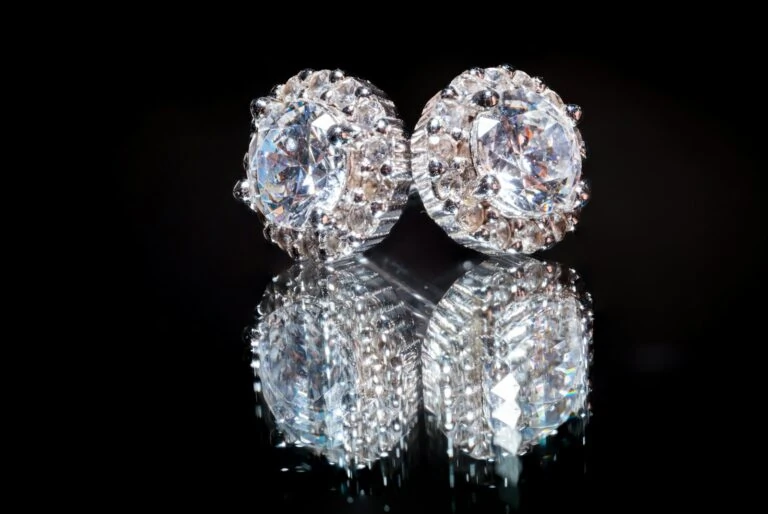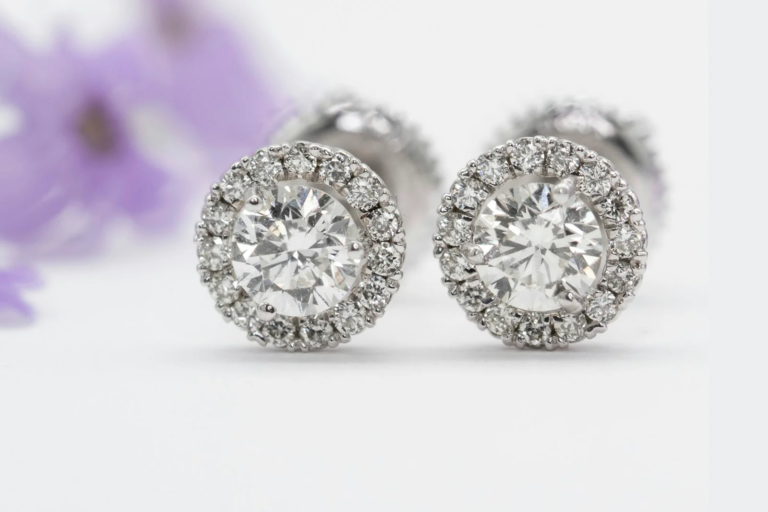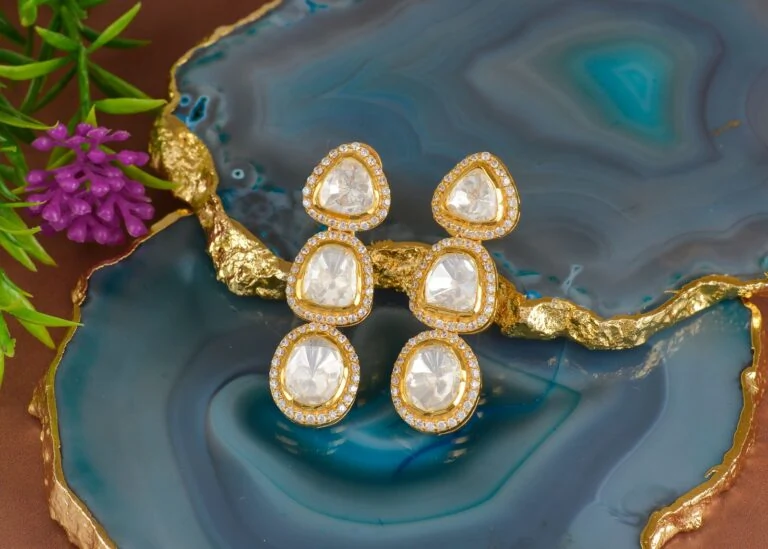


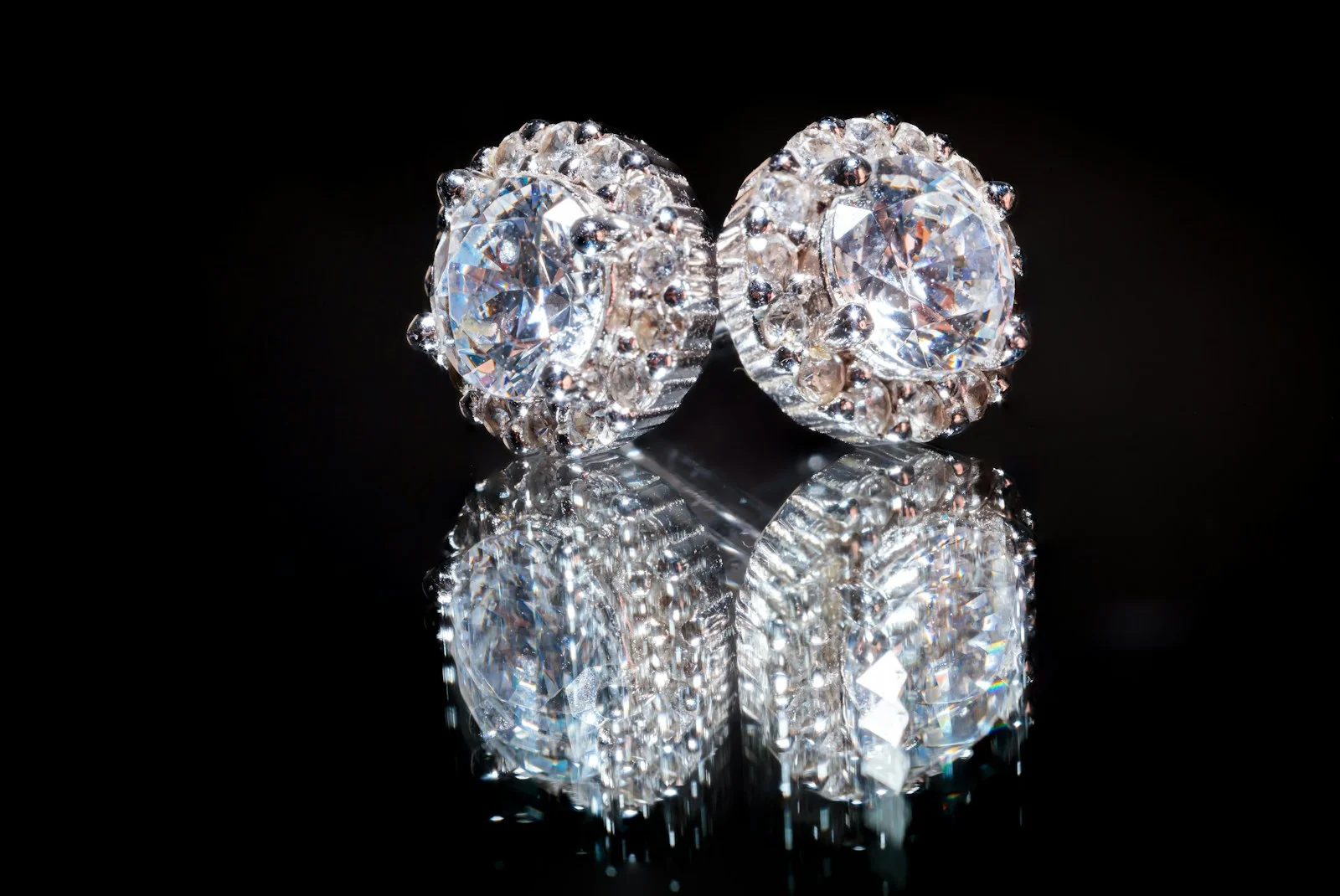
Same Sparkle, Different Origins
Both lab-grown and natural diamond earrings feature real diamonds, but they differ in origin, typical price and how buyers may think about long-term value. Lab-grown diamonds are created in controlled laboratory environments, while natural diamonds form through geological processes deep within the Earth. When quality is comparable, both can offer the same fundamental diamond properties and similar visual appearance. The right choice depends on budget, preferred diamond origin, earring style and personal priorities rather than one option being universally better.
TL;DR
- Appearance and properties: Both can offer the same fundamental diamond characteristics at comparable quality.
- Origin: Lab-grown diamonds are created in laboratories, while natural diamonds form within the Earth.
- Price: Lab-grown diamond earrings generally cost less than comparable natural diamond earrings.
- Durability: Both are suitable for regular wear when properly set and maintained.
- Best choice: The decision depends on budget, origin preference and personal priorities.
How Are Lab-Grown and Natural Diamonds Created?
The most important difference between the two is where and how the diamonds form.
How Lab-Grown Diamonds Are Made
Lab-grown diamonds are produced using processes such as HPHT, or High Pressure High Temperature and CVD, or Chemical Vapor Deposition. These methods create conditions that allow diamond crystal growth in a controlled environment.
The resulting stones are real diamonds with the same fundamental chemical composition and crystal structure as natural diamonds.
How Natural Diamonds Form
Natural diamonds form deep within the Earth under intense heat and pressure over geological timescales. Geological activity can then transport diamond-bearing material closer to the surface, where diamonds are eventually mined, processed, graded and used in jewelry.
Can You Tell the Difference Between the Two?
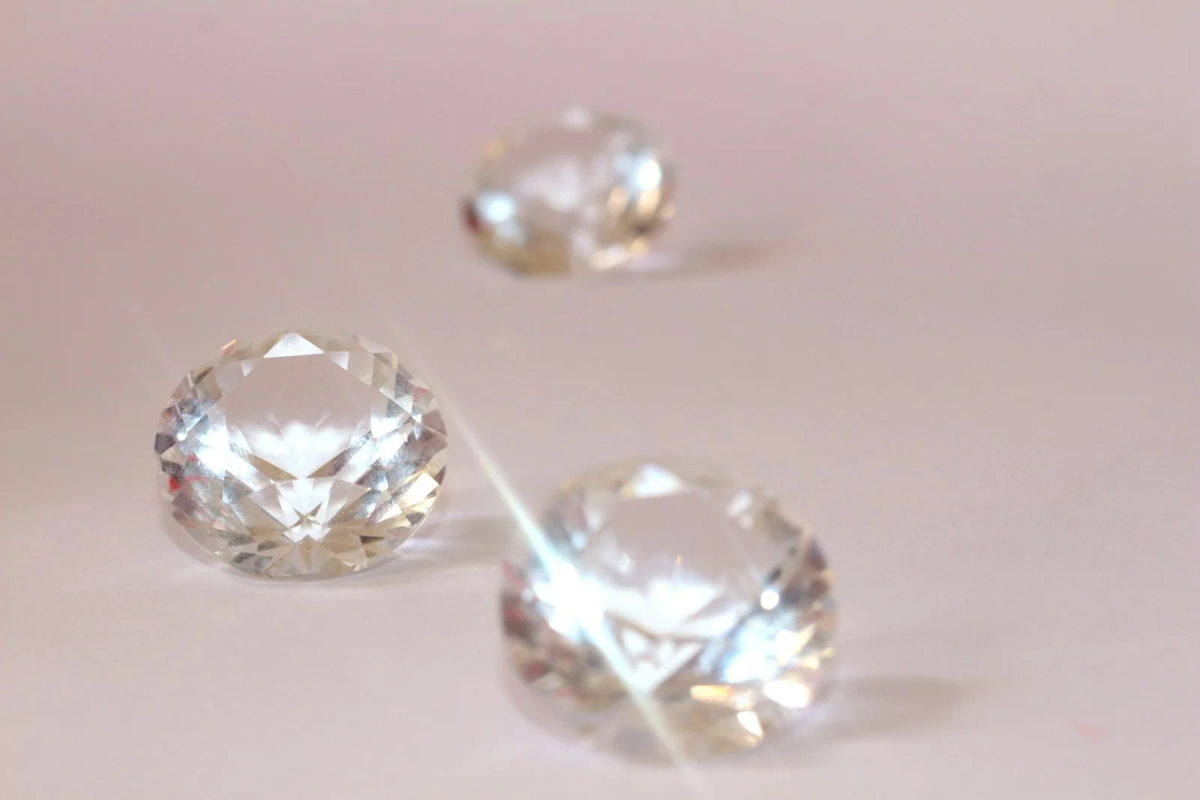
Lab-grown and natural diamonds can look identical to the naked eye when their quality is comparable. Specialized gemological equipment is used to identify differences in growth characteristics.
Diamond origin alone does not determine cut, color, clarity, or brilliance. Those qualities must be evaluated separately.
Explore Lab-Grown Diamond Earrings
Lab-Grown vs. Natural Diamond Earrings: Key Differences at a Glance
| Factor | Lab-Grown Diamond Earrings | Natural Diamond Earrings |
|---|---|---|
| Origin | Created in a laboratory | Formed naturally within the Earth |
| Diamond properties | Same fundamental diamond properties | Same fundamental diamond properties |
| Appearance | Can look identical at comparable quality | Can look identical at comparable quality |
| Typical price | Generally lower for comparable specifications | Generally higher for comparable specifications |
| Quality | Evaluate cut, color, clarity and carat | Evaluate cut, color, clarity and carat |
| Origin process | Laboratory production | Geological formation and mining |
| Best fit | Buyers prioritizing price flexibility and lab-grown origin | Buyers who prefer naturally formed diamonds |
Are Lab-Grown Diamond Earrings Better Than Natural Diamond Earrings?
There is no universal winner in the lab grown diamond earrings vs natural comparison. The better choice depends on what matters most to the buyer.
When Lab-Grown Diamond Earrings May Be the Better Choice
Lab-grown diamonds may suit you if you want comparable diamond specifications at a lower typical price, prefer a larger diamond or different design within your budget, or specifically prefer laboratory-created diamonds.
When Natural Diamond Earrings May Be the Better Choice
Natural diamonds may be preferable if geological origin and natural rarity are important to you and you are comfortable paying more for those characteristics.
What About Long-Term and Resale Value?
Diamond earrings are generally better approached as jewelry for personal enjoyment rather than guaranteed investments. Resale outcomes vary according to market conditions, diamond characteristics, brand, condition and buyer demand.
Neither lab-grown nor natural diamond earrings should be purchased with an assumption that a fixed percentage of the original price will be recovered later.
How to Choose Between Lab-Grown and Natural Diamond Earrings
Set Your Budget First
Budget affects diamond size, quality, metal, setting and overall design. Lab-grown diamonds may provide more flexibility when comparing these factors within the same spending range.
Compare the Total Carat Weight
Diamond earrings are often listed by total carat weight, or CTW, for the pair. A 1 CTW pair commonly contains two diamonds totaling one carat, rather than one carat in each earring.
Decide Which Earring Style You Want
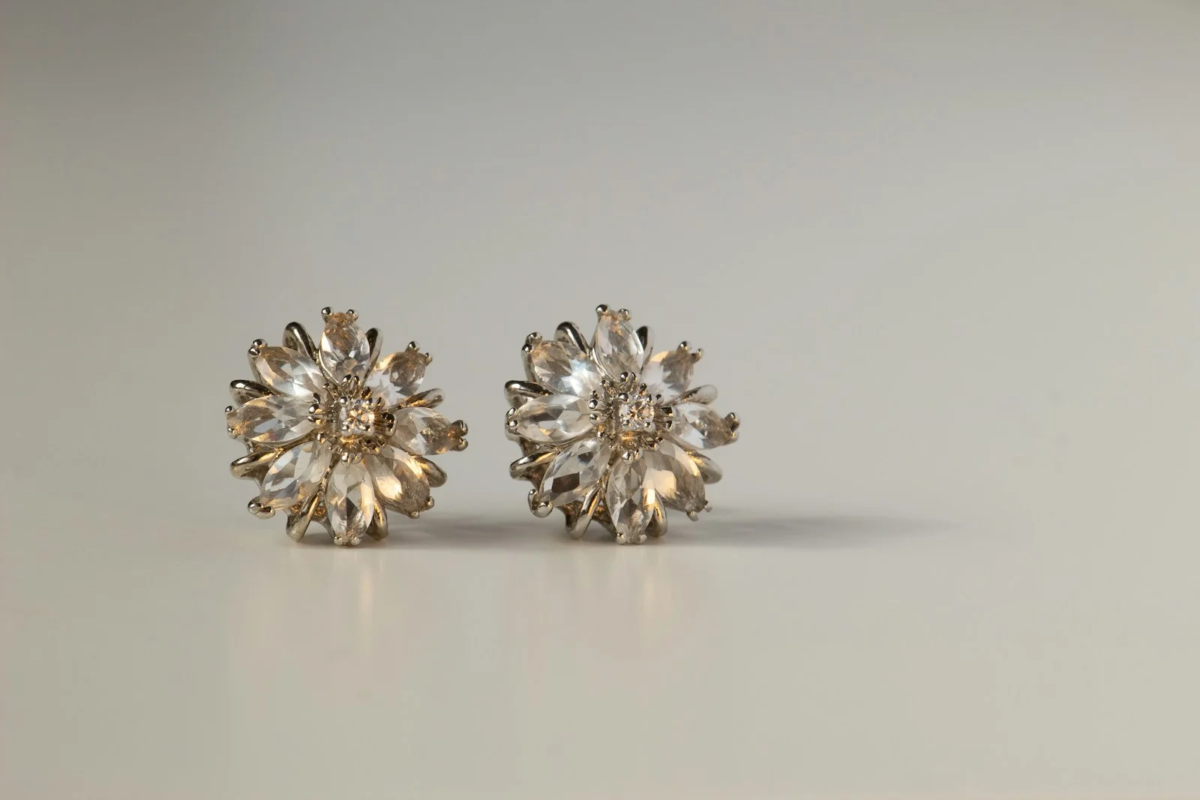
Studs, hoops, huggies and drop earrings create different silhouettes and levels of movement. Style and setting influence the finished appearance regardless of diamond origin.
For a focused comparison, see Stud vs. Drop Diamond Earrings. You can also review Diamond Shapes Explained when comparing different stone shapes.
Review Diamond Details and Product Policies
Check cut, color, clarity, carat weight, dimensions and any available grading documentation. Also review metal type, setting construction, earring backs or closures, shipping terms, returns, exchanges and warranty information before purchasing.
Which Diamond Earrings Are Right for You?
Choose lab-grown diamonds if price flexibility, laboratory origin, or wider design possibilities within your budget align with your priorities.
Choose natural diamonds if their geological origin and natural rarity are more important for you.
If you are still deciding, compare earrings with similar diamond specifications, settings and metal types. This creates a fairer lab grown vs natural diamond earrings differences comparison than looking at price alone.
Neither option is inherently right for every shopper.
Find Diamond Earrings That Fit Your Priorities
Frequently Asked Questions About Lab-Grown vs. Natural Diamond Earrings
What is the difference between lab-grown and natural diamond earrings?
The main difference is diamond origin. Lab-grown diamonds are created in controlled environments, while natural diamonds form within the Earth.
Do lab-grown and natural diamond earrings look the same?
They can look identical to the naked eye when cut, color, clarity and other quality characteristics are comparable.
Are lab-grown diamond earrings real diamonds?
Yes. Lab-grown diamonds have the same fundamental chemical composition and crystal structure as natural diamonds.
Are lab-grown diamond earrings cheaper than natural diamond earrings?
They generally cost less than natural diamond earrings with comparable specifications.
Which is more durable, lab-grown or natural diamond earrings?
Both types of diamond have comparable fundamental durability. Setting construction and proper care also affect long-term wear.
Do lab-grown diamond earrings have the same sparkle as natural diamonds?
They can. Brilliance depends largely on cut quality and proportions rather than diamond origin alone.
Do lab-grown or natural diamond earrings have better resale value?
Resale results vary. Market conditions, diamond quality, brand, condition and demand all influence potential value.
How can I tell if diamond earrings are lab-grown or natural?
Visual inspection alone may not be enough. Specialized gemological equipment and grading documentation can help identify diamond origin.