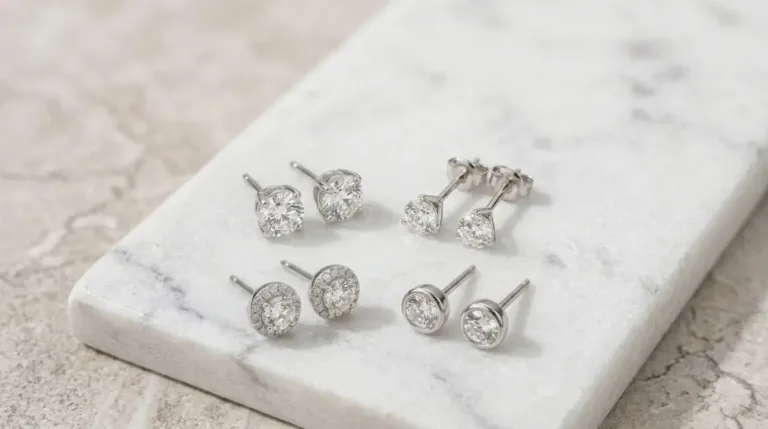


What Metal Should You Choose?
Choosing lab-grown diamond earrings for sensitive ears requires attention to more than the diamond itself. In many cases, irritation comes from the metals used in the posts, backs, or settings that touch the skin. Nickel is a common trigger, but friction, pressure, moisture, or product residue can also make pierced ears uncomfortable. Metal composition therefore matters when comparing earrings for regular wear. Platinum and carefully selected gold alloys are among the options worth considering, but no material can guarantee that every wearer will avoid irritation.
TL;DR
- Metal matters more than diamond origin: Irritation usually relates to components touching the skin.
- Nickel is a common concern: Check alloy composition when sensitivity is known.
- Platinum and selected gold alloys can be good options: Individual tolerance still varies.
- “Hypoallergenic” is not a guarantee: Verify posts, backs and settings rather than relying on the label alone.
- Good care matters: Clean, dry earrings can help reduce irritation from residue and moisture.
Why Do Some Diamond Earrings Irritate Sensitive Ears?
Sensitive earlobes can react to metals used in jewelry. Nickel is one of the most common causes of allergic contact dermatitis from earrings and other skin-contact products.
An allergic reaction is different from simple irritation. Allergy involves an immune response to a particular substance, while irritation can result from friction, pressure, trapped moisture, skincare products, sweat, or buildup around a piercing.
The diamond itself is generally not the source of a metal-related reaction. Instead, check the setting, post and backing because these components remain in direct contact with the ear.

Which Metals Are Best for Diamond Earrings for Sensitive Ears?
When comparing diamond stud earrings for sensitive ears, focus on the complete metal composition rather than the front design alone. Platinum and some gold alloys may work well for sensitive skin, but suitability depends on individual allergies and the metals included in each alloy.
Platinum
Platinum is naturally white and commonly used in fine jewelry. Because it can be used at high purity levels, it is often considered by buyers who want to limit exposure to certain alloying metals.
It is also durable, although platinum jewelry can cost more than comparable gold options. Individual reactions are still possible, so known sensitivities should guide the decision.
14K Gold
14K gold contains 58.5% pure gold, with the remainder made up of other metals added for strength and color.
Many people wear 14K gold comfortably, but the exact alloy matters for sensitive ears. If nickel sensitivity is a concern, check whether the posts, backs and setting use a verified nickel-free formulation.
18K Gold
18K gold contains 75% pure gold and a smaller proportion of alloying metals than 14K gold.
That higher gold content may appeal to sensitive wearers, but 18K gold should not automatically be considered allergy-proof. The specific metals used in the remaining 25% still matter.
White Gold, Yellow Gold and Rose Gold
Gold color alone does not reveal whether an earring will suit sensitive skin.
White gold may contain nickel or other white metals and is often rhodium plated. Yellow gold and rose gold also contain additional metals to achieve their color and durability.
Always check the complete alloy composition rather than assuming that one gold color is universally safer.
Find Your Perfect Pair of Lab-Grown Diamond Earrings
How to Choose Hypoallergenic Diamond Stud Earrings
The term hypoallergenic diamond stud earrings generally suggests that a product is designed to reduce the likelihood of an allergic reaction. It does not mean that the earrings can never cause one.
The most important factors are the materials that remain in direct contact with the ear.
Check the Earring Posts and Backs
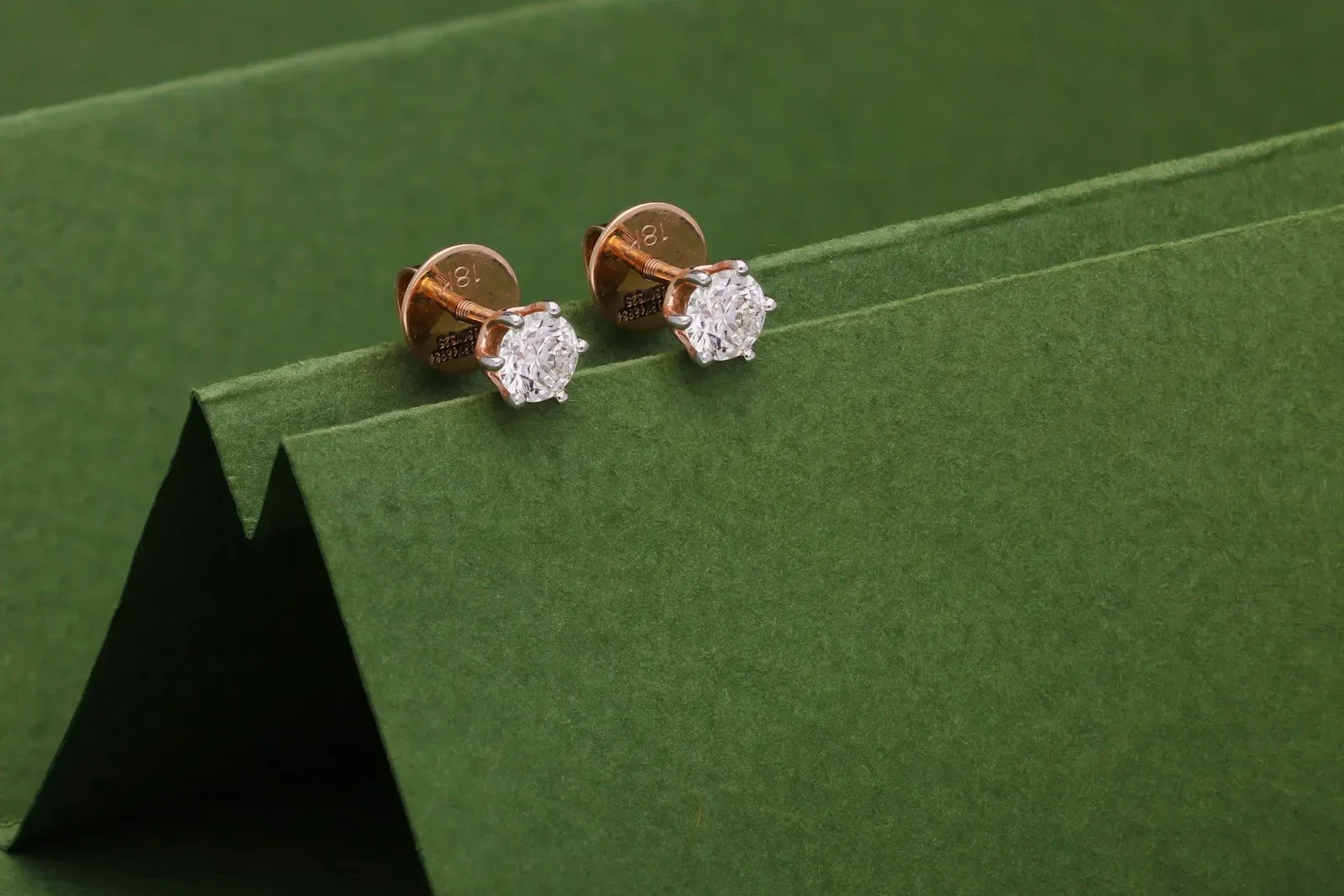
Do not focus only on the visible setting. Verify the metal used for the post and backing as well.
A diamond may sit in one alloy while another material is used for the post or back. When product specifications are unclear, ask the retailer for more information before purchasing.
Choose a Comfortable Stud Design
Comfort also depends on size, setting profile, post length and how tightly the backing sits against the ear.
Choose a design that feels secure without creating unnecessary pressure. For more general selection guidance, see How to choose a lab-created diamond earrings.
How to Find the Best Diamond Earrings for Sensitive Ears
When comparing the best diamond earrings for sensitive ears, use a simple checklist:
- Check the metal composition: Verify the alloy used in the setting, posts and backs.
- Consider known sensitivities: Choose metals that the wearer already tolerates whenever possible.
- Review product specifications: Ask for details if the material composition is unclear.
- Prioritize comfort: Check stud size, post length, backing fit and overall weight.
- Consider the complete earring: Skin-contact parts matter as much as the visible setting.
- Understand the diamond’s role: Lab-grown diamonds have essentially the same physical and chemical properties as mined diamonds, so their origin does not usually determine metal-related irritation.
If you want to compare diamond origins separately, see the guide to the Difference between lab-grown and natural diamond earrings.
How to Care for Diamond Earrings When You Have Sensitive Ears
Regular cleaning can help remove sweat, skincare residue, oils and other buildup from earrings.
Clean posts and backs carefully and dry the earrings thoroughly before wearing or storing them. The How to Clean Lab Grown Diamond Jewelry guide provides additional jewelry-care guidance.
If irritation develops, stop wearing the earrings rather than repeatedly exposing the affected skin. Persistent, recurring, painful, or severe symptoms should be discussed with a dermatologist or other qualified healthcare professional.
Discover Diamond Earrings That Suit Your Needs
Frequently Asked Questions About Diamond Earrings for Sensitive Ears
What are the best metals for diamond earrings for sensitive ears?
Platinum and verified nickel-free gold alloys are options worth considering. The best choice depends on individual sensitivities and every metal component in the earring.
Are 14K gold diamond earrings safe for sensitive ears?
Many people tolerate 14K gold, but suitability depends on the specific alloy and any known metal allergies.
Are hypoallergenic diamond stud earrings always nickel-free?
No. “Hypoallergenic” does not automatically mean nickel-free. Check the composition of the posts, backs and setting.
Is platinum or gold better for sensitive ears?
Neither is universally better. Platinum often has high purity, while verified nickel-free 14K or 18K gold alloys may also suit sensitive wearers.
Can lab-grown diamond earrings cause an allergic reaction?
The diamond itself is unlikely to cause a metal allergy. Reactions more commonly involve metal components, although friction, moisture and other factors can also cause irritation.
Can white gold diamond earrings irritate sensitive ears?
Yes. Some white gold alloys contain nickel and rhodium plating can wear over time. Check the underlying alloy composition before purchasing.